
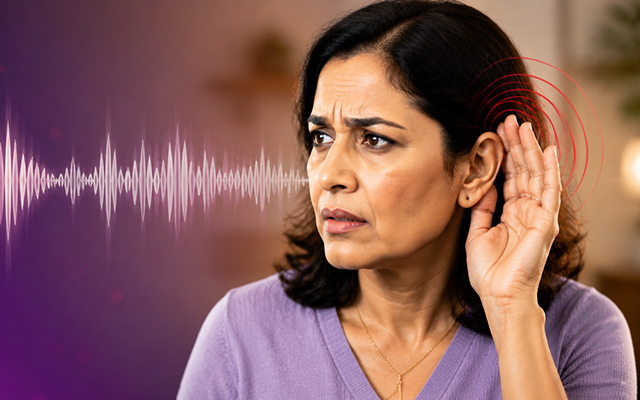
Hearing plays an important role in how we communicate, interact with others, and stay connected to the world around us. However, hearing loss often develops gradually, making it easy to overlook the early signs. Many people unknowingly adapt by increasing the television volume, frequently asking others to repeat themselves, or avoiding conversations in noisy environments.
Whether it affects you, a family member, or an elderly parent, understanding the common hearing loss symptoms can make a significant difference. Early evaluation by an experienced ear specialist can help identify the cause and guide the right treatment approach.
What Is Hearing Loss and Why Do People Often Miss the Signs?
Hearing loss occurs when a person has difficulty detecting or understanding sounds clearly. It can affect one or both ears and may range from mild difficulty hearing soft sounds to more noticeable problems during conversations.
One reason people often miss the early signs of hearing loss is that the changes usually happen gradually. Unlike sudden health problems that demand immediate attention, hearing difficulties may slowly become part of daily life. Many people believe they are simply “not paying attention” or that others are speaking too softly.
Common hearing loss symptoms include difficulty understanding conversations, needing higher volume levels, and struggling to hear certain sounds. Identifying these changes early allows timely assessment and support before hearing problems begin affecting communication, confidence, and social interactions.
7 Early Warning Signs of Hearing Loss You Shouldn’t Ignore
Frequently Asking People to Repeat Themselves
Do you often find yourself saying “What?” or asking people to repeat sentences? While it may happen occasionally, frequent repetition requests can be one of the early signs of hearing loss.
Sometimes, a person may hear that someone is speaking but cannot clearly understand the words. This is especially common when people speak quickly or when background noise is present. Paying attention to this pattern can help identify hearing changes early.
Turning Up the TV or Phone Volume Higher Than Usual
A common hearing loss symptom is gradually increasing the volume of devices. If family members frequently mention that the television or phone volume feels too loud, it may indicate reduced hearing ability.
Many people compensate for reduced hearing by increasing sound levels rather than checking the reason behind the change. Over time, this habit may become noticeable to others before the person recognises the problem themselves.
Struggling to Follow Conversations in Noisy Places
Restaurants, family gatherings, and crowded environments can become challenging when hearing ability reduces. A person may hear multiple sounds but struggle to separate one voice from background noise.
Difficulty understanding conversations in busy places is often one of the changes people notice. If you find yourself focusing intensely on lip movements or avoiding noisy locations because conversations feel exhausting, it may be time for a hearing evaluation.
Ringing or Buzzing in the Ears (Tinnitus)
Some people experience a constant or occasional ringing, buzzing, humming, or whistling sound in their ears. This condition is known as tinnitus (ringing in ears).
Although tinnitus can occur for different reasons, it may sometimes be linked with hearing changes. Persistent ringing, especially when combined with difficulty hearing conversations, should not be ignored. A proper assessment can help identify possible causes and suitable management options.
Muffled or Distant Sounds
Another common warning sign is feeling that sounds are unclear, blocked, or far away. People may describe voices as if they are coming through a wall or as though their ears feel constantly blocked.
This change may occur due to several reasons, including problems within the ear or reduced ability to process sounds properly. If normal conversations start feeling unclear, professional guidance can help determine the reason.
Difficulty Hearing on Phone Calls
Phone conversations require the ears to understand voices without the help of facial expressions or lip movements. This can make hearing difficulties more noticeable.
If you regularly switch ears, increase phone volume, or avoid phone conversations because they feel challenging, it may indicate an underlying hearing concern. This is one of the hearing loss symptoms that is often overlooked.
Withdrawing from Social Situations Due to Hearing Difficulty
Hearing problems can affect more than just sound perception. Some people begin avoiding gatherings because they worry about misunderstanding conversations or responding incorrectly.
Social withdrawal is a sign that hearing difficulties may be affecting emotional well-being and confidence. Early support can help people stay connected with their family, friends, and surroundings.
What Causes Hearing Loss?
Hearing loss can happen due to several factors, and identifying the cause is important for choosing the right management approach.
One of the common hearing loss causes is ageing. Over time, the delicate structures inside the ear may undergo natural changes, leading to gradual hearing difficulties. This type of hearing loss is commonly seen in older adults.
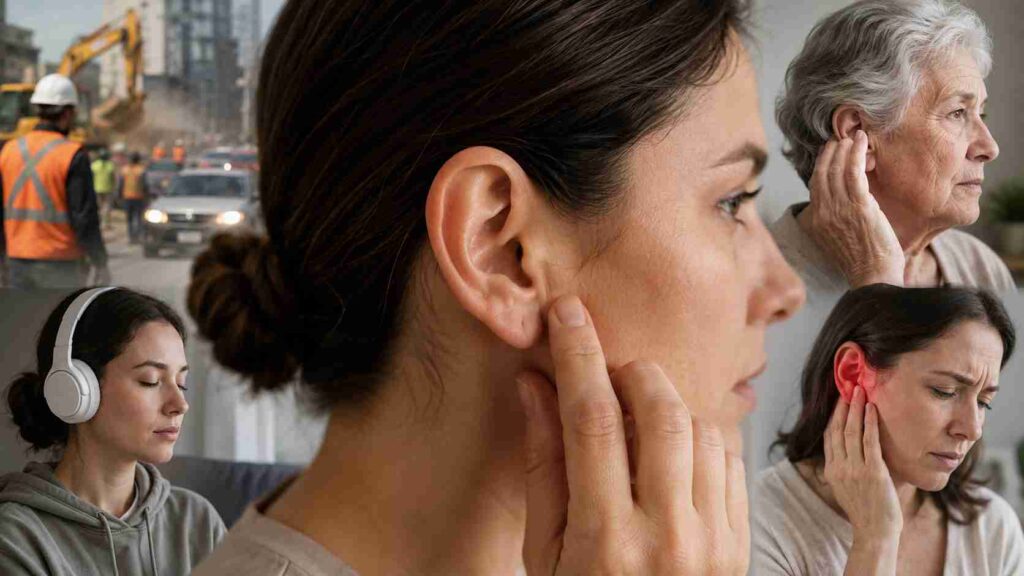
Long-term exposure to loud sounds, such as workplace noise, loud music, or repeated use of high-volume headphones, can also affect hearing ability. Ear infections, excessive earwax buildup, injuries, and certain medical conditions may contribute to hearing problems.
In some cases, infections can affect hearing temporarily or permanently if not managed properly. Seeking timely ear infection treatment can help prevent complications and protect ear health.
Genetic factors may also play a role, with some people being more likely to develop hearing difficulties due to family history.
Is Hearing Loss More Common in Elderly People?
Hearing loss in elderly patients is quite common because natural changes occur in the ear as people age. However, hearing difficulties should not simply be accepted as an unavoidable part of growing older.
Many older adults adjust to hearing changes and may not mention their problems. Family members are often the first to notice signs such as repeated questions, louder television volume, or reduced participation in conversations.
Early evaluation can help elderly individuals maintain communication, independence, and confidence in daily life.
How Is Hearing Loss Diagnosed?
A proper diagnosis helps understand the type and level of hearing difficulty. During an evaluation, an ENT specialist may discuss symptoms, medical history, and daily hearing challenges.
One of the most common assessments is an audiometry test. This test measures how well a person can hear different sounds and frequencies. It helps identify the severity and pattern of hearing loss.
Doctors may also recommend tympanometry to check how the eardrum and middle ear are functioning. These assessments help create a clearer picture of the problem and guide suitable treatment options.
Consulting an experienced ENT specialist can ensure that hearing concerns are evaluated accurately rather than ignored or self-managed.
When Should You See an ENT Doctor for Hearing Problems?
Many people delay medical advice because hearing changes often seem minor initially. However, knowing when to see an ENT doctor can help prevent the problem from becoming more difficult to manage.
You should consider an evaluation if you notice persistent hearing difficulty, frequent tinnitus, repeated requests for others to speak louder, ear discomfort, or trouble following conversations.
A qualified ear nose throat doctor can assess your symptoms and recommend appropriate investigations. Early consultation is especially important if hearing changes appear suddenly, affect only one ear, or are accompanied by dizziness or pain.
Timely medical guidance can help identify treatable causes and provide better support for long-term ear health.
Why Choose Our Hospital for ENT Care in Behala?
Our hospital focuses on providing comprehensive care for various ear, nose, and throat concerns. With experienced specialists and modern diagnostic facilities, patients can receive proper evaluation for hearing difficulties and related conditions.
At our centre in Behala, you can find experienced ENT specialists who can assess hearing concerns, recommend necessary tests, and guide patients according to their individual needs.
Whether you are experiencing early hearing changes, recurring ear problems, or symptoms affecting daily communication, getting professional advice can help you take the right step towards better hearing health.
Protect Your Hearing Before Small Changes Become Bigger Problems
Ignoring hearing difficulties may slowly affect conversations, relationships, and confidence. Simple changes like increasing volume levels or struggling in noisy places can be important signals from your ears.
If you notice any of these warning signs, book a consultation at our ENT hospital in Behala.
Frequently Asked Questions
Can hearing loss be reversed?
It depends on the cause. Some hearing problems caused by infections, earwax buildup, or certain temporary conditions may improve with proper treatment. Permanent hearing loss may require supportive solutions and professional guidance.
What is the difference between age-related hearing loss and hearing loss caused by infection?
Age-related hearing loss usually develops gradually due to natural changes in the ear. Hearing loss caused by infection may occur with symptoms like ear pain, discharge, or discomfort and may improve after appropriate treatment.
How does an audiometry test help a doctor?
An audiometry test helps measure hearing ability and identifies which sounds or frequencies are difficult to hear. It allows doctors to understand the type and severity of hearing loss.
Can untreated hearing loss lead to other health problems?
Unmanaged hearing difficulties may affect communication, social participation, confidence, and overall quality of life. Early evaluation can help address these concerns.
How often should you get your hearing checked if you notice mild symptoms?
If you notice ongoing hearing changes, it is advisable to consult an ENT doctor for evaluation. The frequency of hearing checks depends on your age, symptoms, and medical history.