
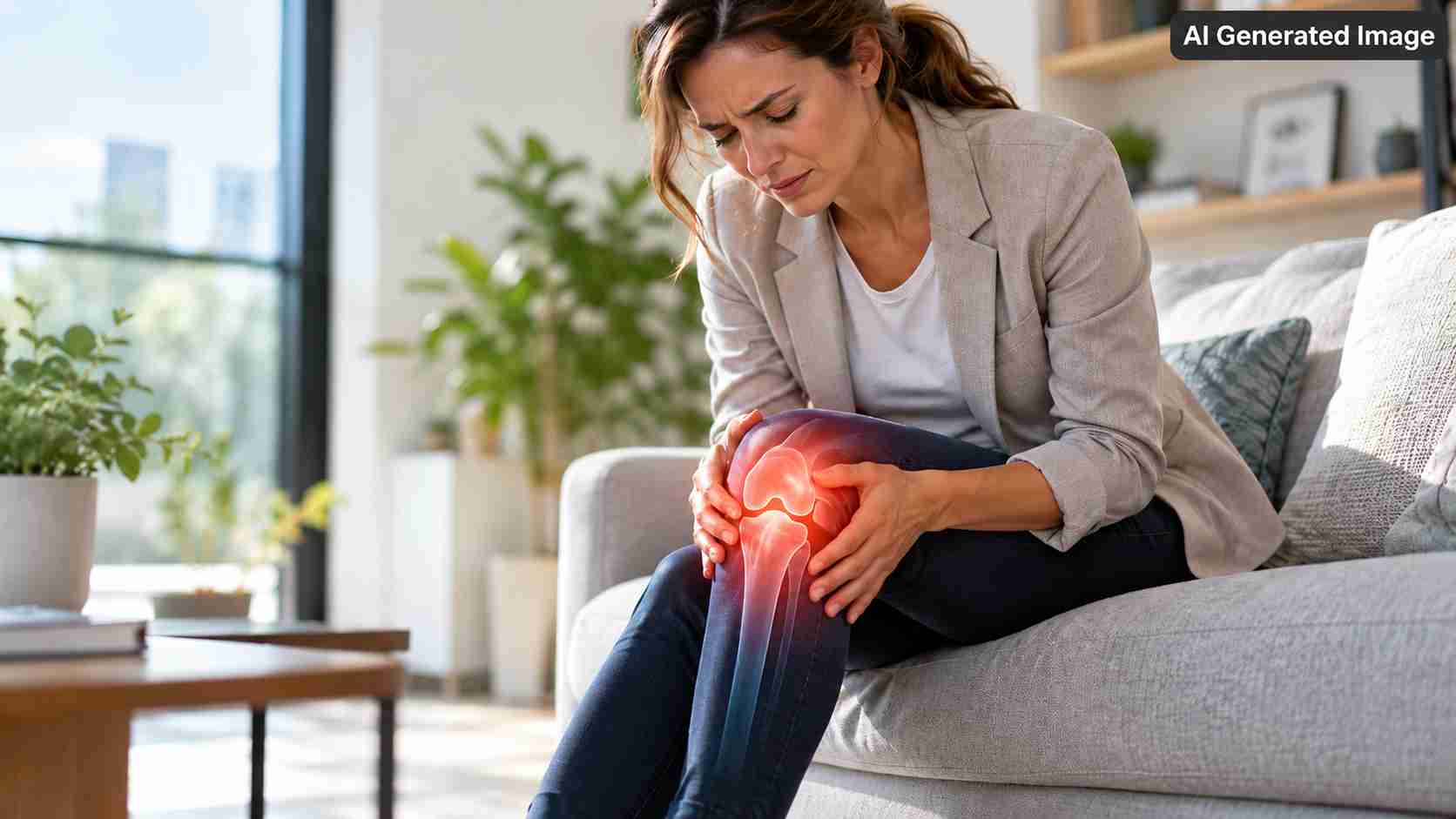
Many people in their 30s start noticing occasional knee discomfort, stiffness after sitting for long hours, or pain while climbing stairs. Since ageing is usually associated with joint problems, young adults often dismiss these signs as “just age catching up”. However, joint pain in the 30s is not always a normal part of growing older.
Early joint discomfort can develop due to several reasons, including lifestyle habits, previous injuries, weight changes, and underlying joint conditions. In some cases, these symptoms may indicate early arthritis that needs timely attention.
Understanding why knee pain happens, recognising warning signs, and seeking the right care at the right time can help protect your joint health for years.
Why Joint Pain Is Showing Up Earlier Than Ever
Knee pain was once commonly linked with older age groups, but today many younger adults experience recurring discomfort. The causes of knee pain in young adults are often connected to modern lifestyle patterns and changes in daily habits.
One major factor is prolonged sitting. Many professionals spend several hours working at desks, which reduces muscle activity and weakens the support around the knees. When the muscles around the joint become less active, more pressure is placed on the knee during everyday movements.
Reduced physical activity is another important reason. Lack of regular exercise can affect flexibility, muscle strength, and joint stability. On the other hand, sudden intense workouts without proper preparation can also strain the knee.
Weight gain can increase stress on weight-bearing joints. Every extra kilogram adds additional pressure on the knees during walking, climbing stairs, and other activities. Over time, this may contribute to cartilage wear.
Previous sports injuries or accidents can also play a role. A ligament injury, cartilage tear, or untreated knee problem from years ago may slowly affect joint function.
Other possible factors include:
- Poor posture while sitting or working
- Incorrect exercise techniques
- Lack of stretching before physical activity
- Vitamin deficiencies affecting bone and muscle health
- Family history of joint problems
Knee discomfort in your 30s is not something to ignore simply because of your age.
Common Myths About Knee Pain in Your 30s
There are several knee pain myths that prevent people from seeking proper care. Many individuals wait until the pain becomes severe because they believe joint problems are unavoidable or temporary.
Myth 1: Only elderly people get arthritis
Arthritis is often associated with older adults, but younger people can also develop joint changes. Injuries, genetics, excess weight, and lifestyle factors can contribute to joint damage earlier in life.
Myth 2: Knee cracking always means joint damage
A clicking or cracking sound from the knee does not always indicate a serious problem. Many people experience harmless joint sounds due to movement of tendons or gas bubbles inside the joint.
However, if clicking is accompanied by pain, swelling, or difficulty moving, it should be evaluated.
Myth 3: Knee pain will disappear on its own
Occasional discomfort after unusual activity may improve with rest. But recurring pain, swelling, or stiffness can indicate an underlying issue that needs attention.
Ignoring symptoms may allow a small problem to become a long-term joint condition.
Early Signs You Shouldn’t Ignore
Many people adjust their routine around knee discomfort instead of addressing the cause. Recognising early arthritis symptoms can help prevent further joint problems.
Some warning signs include:
Stiffness after sitting for long periods
Feeling difficulty moving your knees after sitting at a desk, travelling, or resting for a long time may indicate reduced joint flexibility.
Swelling after mild activity
If your knee becomes swollen after normal walking or routine activities, it may suggest irritation inside the joint.
Painful clicking sounds
Occasional sounds may be harmless, but clicking combined with pain, locking, or instability requires medical evaluation.
Reduced range of motion
Difficulty bending or straightening your knee fully can be a sign that the joint is not functioning normally.
Understanding the causes of joint stiffness can help identify whether the issue is related to muscle tightness, injury, inflammation, or cartilage changes.
What Untreated Joint Pain Can Lead To
Ignoring knee pain for months or years can affect your mobility and quality of life. A small discomfort may gradually worsen if the underlying cause is not addressed.
One concern is osteoarthritis in young adults, where the protective cartilage inside the joint begins to wear down. Cartilage helps bones move smoothly against each other. When it becomes damaged, friction increases, leading to pain and stiffness.
Untreated joint problems may result in:
- Increased pain during daily activities
- Reduced movement and flexibility
- Muscle weakness around the knee
- Increased dependence on pain medication
- Greater risk of ligament or cartilage damage
In advanced cases, long-standing joint damage may require procedures such as knee replacement surgery. However, surgery is not the first step for every patient. Early diagnosis and appropriate treatment can often help manage symptoms effectively.
When Should You See an Orthopedic Specialist?
Many people delay medical advice because they believe knee pain is too minor to discuss. However, an orthopedic doctor consultation can help identify the actual cause before the condition progresses.
You should consider consulting an orthopaedic specialist if you experience:
- Knee pain lasting more than three weeks
- Repeated swelling around the joint
- Difficulty walking or climbing stairs
- Feeling that your knee may give way
- Persistent pain at night
- Reduced ability to perform daily activities
Knowing when to see an orthopaedic surgeon depends on the severity, duration, and impact of your symptoms. Early evaluation does not always mean surgery; it helps you understand the right treatment approach.
Diagnosis — What Actually Happens During a Joint Pain Evaluation?
A proper evaluation helps doctors understand whether knee pain is caused by injury, inflammation, muscle imbalance, or joint degeneration.
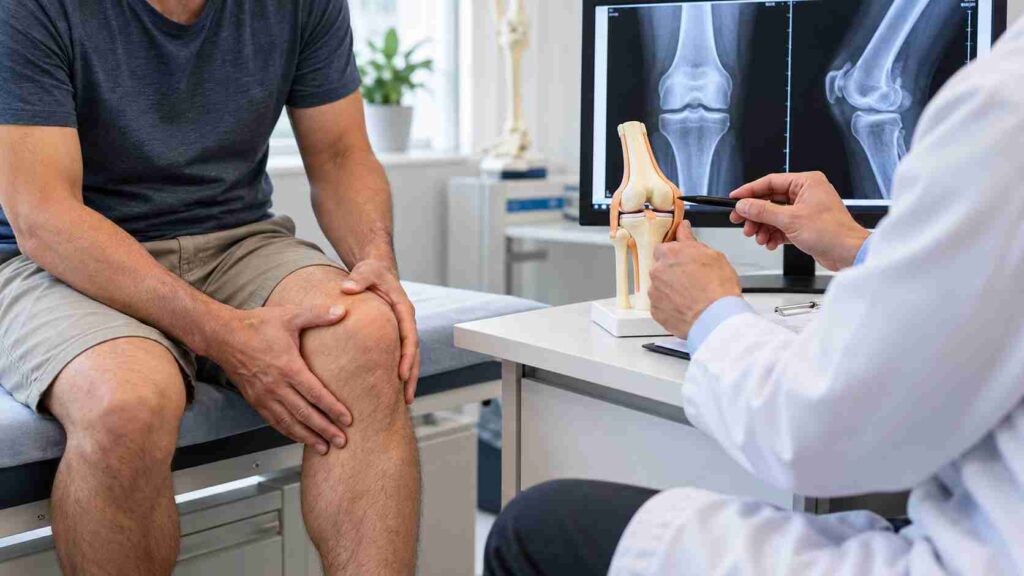
During a diagnosis, an orthopaedic specialist usually begins with a detailed discussion about:
- When the pain started
- Activities that increase discomfort
- Previous injuries
- Medical history
- Changes in mobility
A physical examination helps assess knee movement, stability, swelling, and tenderness.
Doctors may recommend imaging tests such as:
- X-rays to check bone changes and joint space
- MRI scans to evaluate cartilage, ligaments, and soft tissues
The orthopedic treatment process focuses on identifying the exact reason behind the pain rather than treating only the symptom. This allows doctors to recommend the most suitable option based on the condition.
Treatment Options — From Physiotherapy to Surgery
Treatment depends on the cause, severity, and overall joint condition. Many patients improve with non-surgical approaches when problems are identified early.
Lifestyle changes and activity modification
Maintaining a healthy weight, improving posture, and avoiding activities that strain the knee can reduce pressure on the joint.
Physiotherapy
Exercises focused on strengthening muscles around the knee can improve stability and movement. Physiotherapy also helps improve flexibility and reduce stiffness.
Medicines and supportive treatments
Doctors may suggest medications or other treatments depending on pain severity and the underlying condition.
Minimally invasive procedures
For certain problems, procedures such as arthroscopic knee surgery may be considered. This technique uses small incisions and specialised instruments to diagnose or treat specific knee conditions.
Knee replacement surgery
When severe joint damage affects daily life and other treatments no longer provide relief, knee replacement surgery may be recommended. It involves replacing damaged joint surfaces with artificial components.
The goal is always to preserve natural joint function whenever possible. Many patients benefit from non-surgical joint pain treatment when they seek care at an early stage.
Need an evaluation for orthopedic surgery in Behala?
Choosing our centre with proper diagnosis facilities and a patient-focused treatment approach can help in making informed decisions about joint care.
Preventing Joint Damage Before It Starts
Taking care of your knees in your 30s can reduce the chances of future problems. Simple daily habits can support long-term joint health.
Some useful joint pain prevention tips include:
- Maintain a healthy body weight
- Take short movement breaks during long work hours
- Practise stretching exercises regularly
- Strengthen leg muscles through suitable workouts
- Maintain correct sitting posture
- Use ergonomic chairs and work setups
- Warm up before intense physical activities
Small lifestyle changes can make a significant difference in protecting your joints.
Final Words
If knee pain is affecting your movement, work, or daily routine, do not wait for it to become severe. A timely consultation can help identify the cause and guide you towards the right treatment plan.
Schedule an appointment today.
People Also Ask
Q1: Can joint pain in your 30s be a sign of arthritis?
Yes, joint pain in your 30s can sometimes be linked to arthritis, although several other factors such as injuries, lifestyle habits, and muscle weakness can also cause discomfort. Proper evaluation helps identify the exact reason.
Q2: Is knee pain in young adults always linked to an old injury?
No. Previous injuries can contribute to knee problems, but knee pain may also develop due to lifestyle factors, weight changes, overuse, or underlying joint conditions.
Q3: When does knee pain require surgery instead of physiotherapy?
Surgery is usually considered when there is significant joint damage, structural problems, or when other treatments fail to improve symptoms. Many knee conditions can be managed through physiotherapy and other non-surgical methods.
Q4: Can joint pain be reversed with lifestyle changes alone?
In some cases, lifestyle changes, exercise, and weight management can significantly improve symptoms. However, the outcome depends on the cause and severity of the joint problem. A medical evaluation can help determine the right approach.